August 31, 2026
Compare cold-plunge water treatment options, including chlorine, bromine, peroxide, ozone and UV, with compatibility and safety considerations.

Compare cold-plunge water treatment options, including chlorine, bromine, peroxide, ozone and UV, with compatibility and safety considerations.

Diagnose cloudy, smelly, foamy, or green cold-plunge water with a safe decision tree for flow, filtration, contamination, treatment, and draining.

A safe, practical cold-plunge cleaning checklist for draining, surfaces, plumbing, filters, covers, rinsing, refilling, and restart checks.

Choose a realistic cold-plunge water-change interval based on filtration, sanitizer, bather load, cover use, and observable water condition.

Maintain clear cold-plunge water with a repeatable process for source control, circulation, filtration, testing, treatment, and water changes.

A practical cold-plunge maintenance system covering water, filters, cleaning, circulation, chiller care, schedules, and troubleshooting.
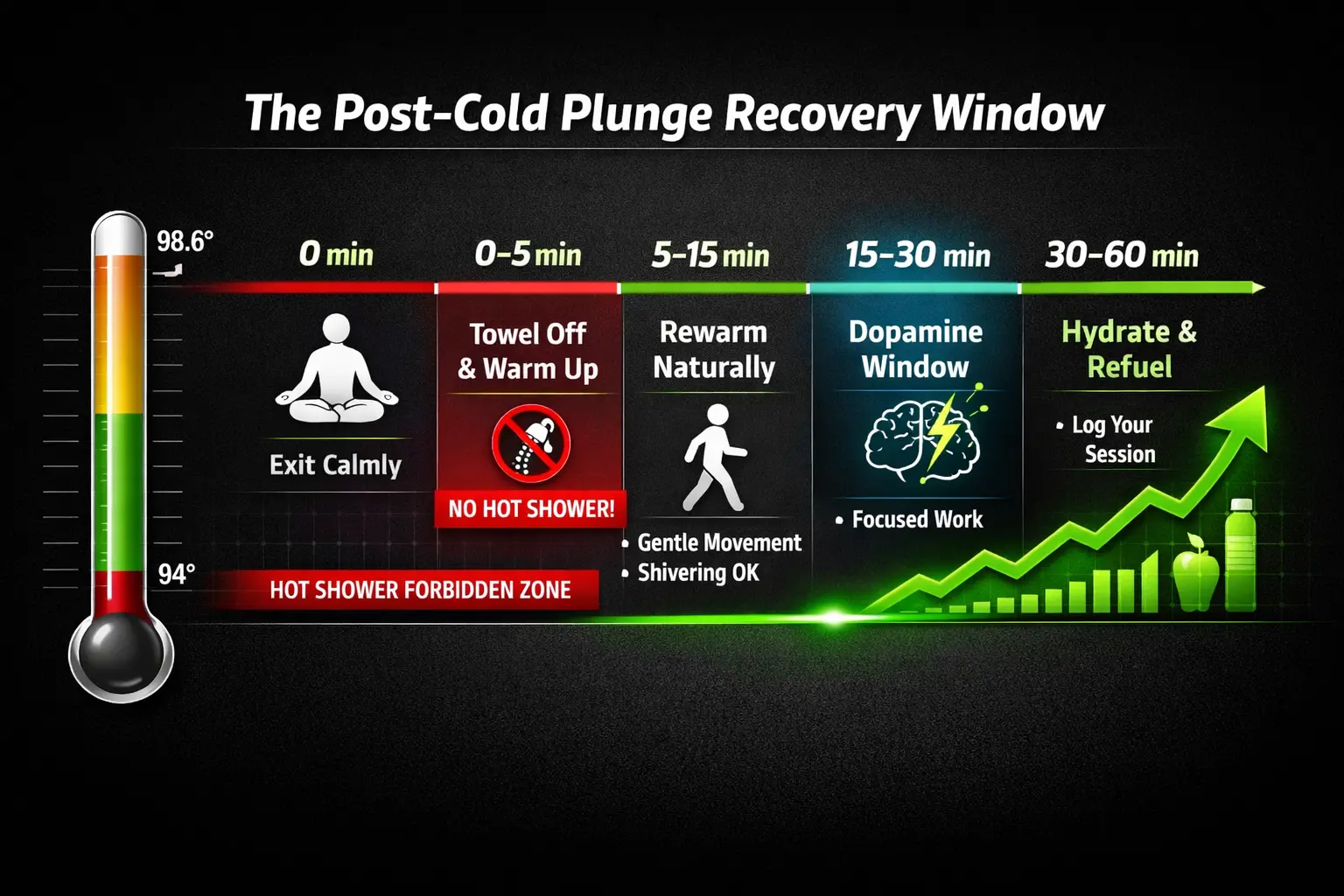
The 30 minutes after a cold plunge are as important as the plunge itself. Exit the water calmly, avoid immediately jumping into a hot shower, allow your body to rewarm...
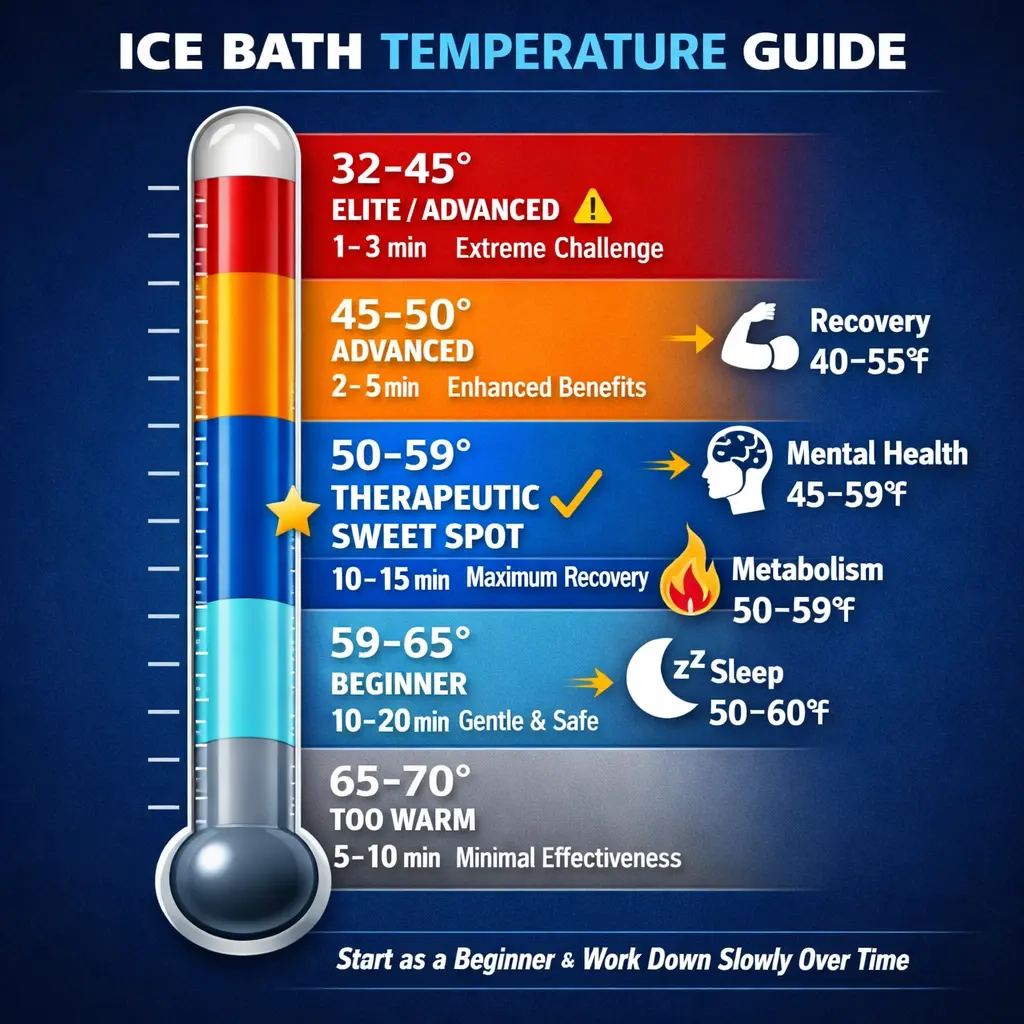
The ideal ice bath temperature is 50–59°F (10–15°C) for therapeutic benefit. This range produces the tissue cooling depth needed for muscle recovery and the neurochemical response associated with dopamine and...

Cold plunging after a workout is generally the right choice for muscle recovery. Cold water immersion within 60 minutes of training reduces delayed-onset muscle soreness by up to 20% and...

The Honest Answer Cold plunging will not melt fat directly. Anyone claiming cold water immersion is a primary weight loss tool is overstating the evidence. However, cold water therapy does...